

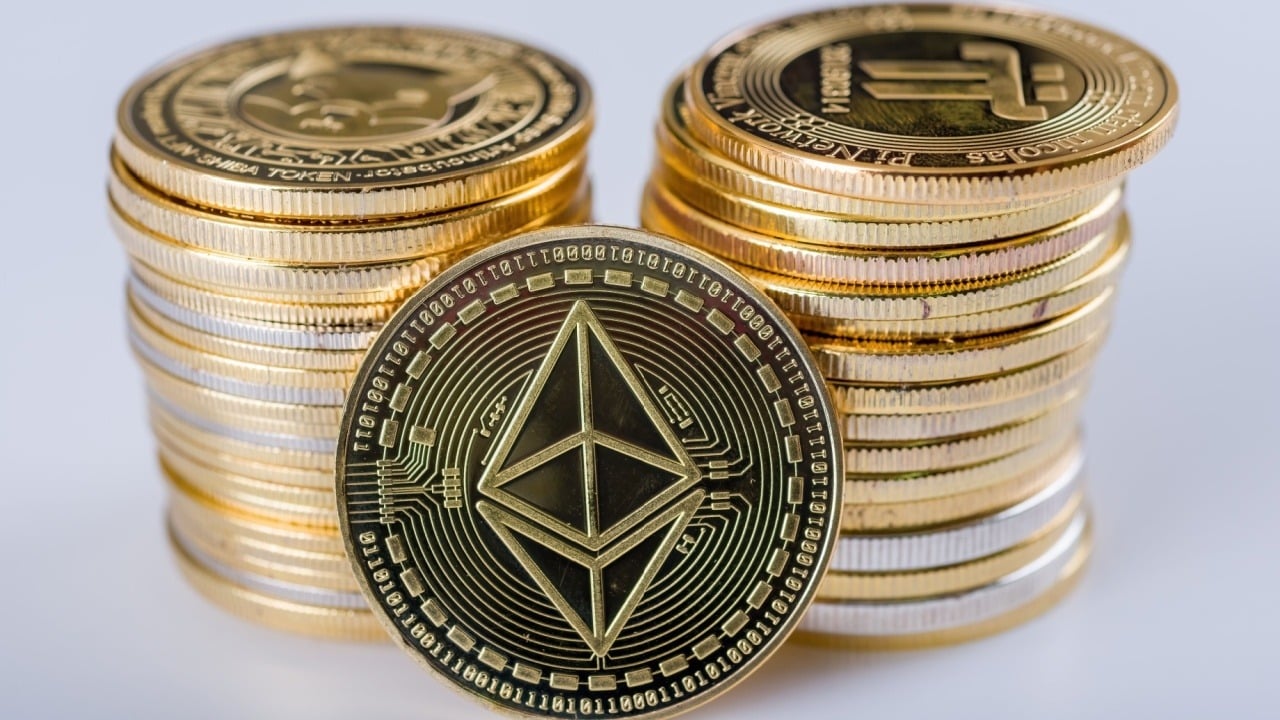
Introduction: Beyond Bitcoin — The Genesis of Ethereum
While Bitcoin laid the first stones of the cryptocurrency revolution, it did not take long for the next generation of innovators to ask: what if blockchain could do more than just handle payments? This single question gave rise to Ethereum, a decentralized platform that has expanded the possibilities of blockchain from a simple ledger of transactions into what some have called a “world computer.” Since its inception, Ethereum has grown into the backbone of decentralized finance, digital art, token economies, and applications that challenge the very architecture of the internet as we know it.
A Visionary’s Dream: The Origins of Ethereum
Ethereum was born in the mind of Vitalik Buterin, a Russian-Canadian programmer and Bitcoin enthusiast who saw limitations in Bitcoin’s design. While Bitcoin’s blockchain was revolutionary for securely transferring digital money, it lacked flexibility for developers to build applications that could execute more complex instructions.
In 2013, Buterin published the Ethereum white paper, laying out a blueprint for a blockchain that could run programmable contracts and decentralized applications (dApps). By 2015, Ethereum’s network went live, unlocking an entirely new layer of possibilities for developers and entrepreneurs worldwide.
How Ethereum Works: The Marriage of Blockchain and Programmability
At its heart, Ethereum is a blockchain, like Bitcoin’s, but with a critical difference: it supports a fully-fledged programming language called Solidity. This allows developers to write smart contracts — self-executing agreements with the terms directly embedded in code.
Key Features That Define Ethereum
-
Smart Contracts: Automated contracts that execute when conditions are met, removing the need for intermediaries.
-
Ether (ETH): Ethereum’s native currency, used to pay for transaction fees and computational services.
-
Gas Fees: The cost of processing transactions and smart contracts, paid in Ether.
-
Decentralized Applications (dApps): Apps that run on the blockchain instead of centralized servers, ranging from games to financial platforms.
This programmable layer has made Ethereum the default choice for innovators looking to build on blockchain technology.
DeFi: Ethereum’s Role in Redefining Financial Services
Arguably, Ethereum’s most transformative impact to date has been its role in the rise of decentralized finance, or DeFi. DeFi applications replicate traditional financial services — lending, borrowing, trading, insurance — but without banks or brokers.
Instead, these services run on smart contracts that automatically handle transactions and enforce terms. For users, this means:
-
Permissionless Access: Anyone with an internet connection can use DeFi platforms without needing approval from centralized authorities.
-
Transparency: All transactions are verifiable on the blockchain.
-
Yield Opportunities: Users can earn returns by providing liquidity or staking assets.
Ethereum’s dominance in DeFi has attracted billions of dollars in locked value, turning the network into a bustling marketplace where financial innovation happens in real time.
NFTs: The Cultural Phenomenon Born on Ethereum
Another cultural frontier Ethereum unlocked is the world of non-fungible tokens (NFTs). Unlike cryptocurrencies such as Ether or Bitcoin, NFTs are unique digital tokens that represent ownership of a specific asset — be it digital art, music, collectibles, or even virtual real estate.
Most NFTs are minted and traded on the Ethereum network due to its robust infrastructure and early adoption by creators and marketplaces. This fusion of art, technology, and verifiable ownership has created new revenue streams for artists while sparking debates about digital scarcity and intellectual property in the digital age.
The Challenges: Congestion, Fees, and Environmental Concerns
Yet Ethereum’s meteoric rise has not come without growing pains. One of the network’s most publicized challenges is its scalability. As more users interact with DeFi protocols and NFT marketplaces, the demand for processing transactions skyrockets.
Consequently, Ethereum’s gas fees — the cost to execute operations on the network — can surge to prohibitive levels during peak usage. Moreover, like Bitcoin, Ethereum’s original proof-of-work (PoW) consensus mechanism required significant computational power, raising concerns about its environmental impact.
The Merge and Ethereum 2.0: A Glimpse into the Future
In response to these hurdles, Ethereum has embarked on one of the most ambitious upgrades in the history of blockchain: Ethereum 2.0, now simply called Ethereum’s transition to proof-of-stake (PoS).
The Merge, completed in September 2022, replaced energy-intensive mining with a staking system, dramatically cutting Ethereum’s energy consumption by over 99%. This shift aims to make the network more sustainable and scalable while paving the way for future enhancements like sharding — splitting the blockchain into smaller parts to handle more transactions simultaneously.
Ethereum’s Ecosystem: A Playground for Innovation
Beyond finance and art, Ethereum’s flexible architecture continues to inspire countless other use cases:
-
Decentralized Autonomous Organizations (DAOs): Community-run organizations that use smart contracts for governance and decision-making.
-
Tokenized Assets: Real-world assets like property and stocks represented digitally on the blockchain.
-
Identity and Privacy Solutions: Tools that give individuals more control over their personal data.
This open-ended nature ensures that Ethereum’s story is far from over — the community is constantly experimenting with what decentralized systems can achieve.
Ethereum vs. Competitors: The Battle for Web3 Dominance
Ethereum’s pioneering role has inspired a wave of competing blockchains — from Solana and Avalanche to Cardano and Polkadot — each promising faster transactions and lower fees. Yet, despite these challengers, Ethereum remains the dominant smart contract platform, thanks in part to its large developer community, first-mover advantage, and relentless pace of innovation.
Conclusion: The ‘World Computer’ Is Just Getting Started
Ethereum is far more than just a cryptocurrency; it is a living ecosystem and an ever-evolving experiment in what happens when code, community, and radical ideas collide. Its ambition to be the world’s decentralized computer has already transformed how we think about money, ownership, and trust in the digital realm.
As Ethereum continues to evolve, its impact will ripple far beyond crypto markets. Whether it succeeds in becoming the foundational layer of a decentralized web or inspires new architectures altogether, Ethereum’s greatest legacy may lie in its bold vision: to make the internet more open, more programmable, and more empowering for everyone, everywhere.
