

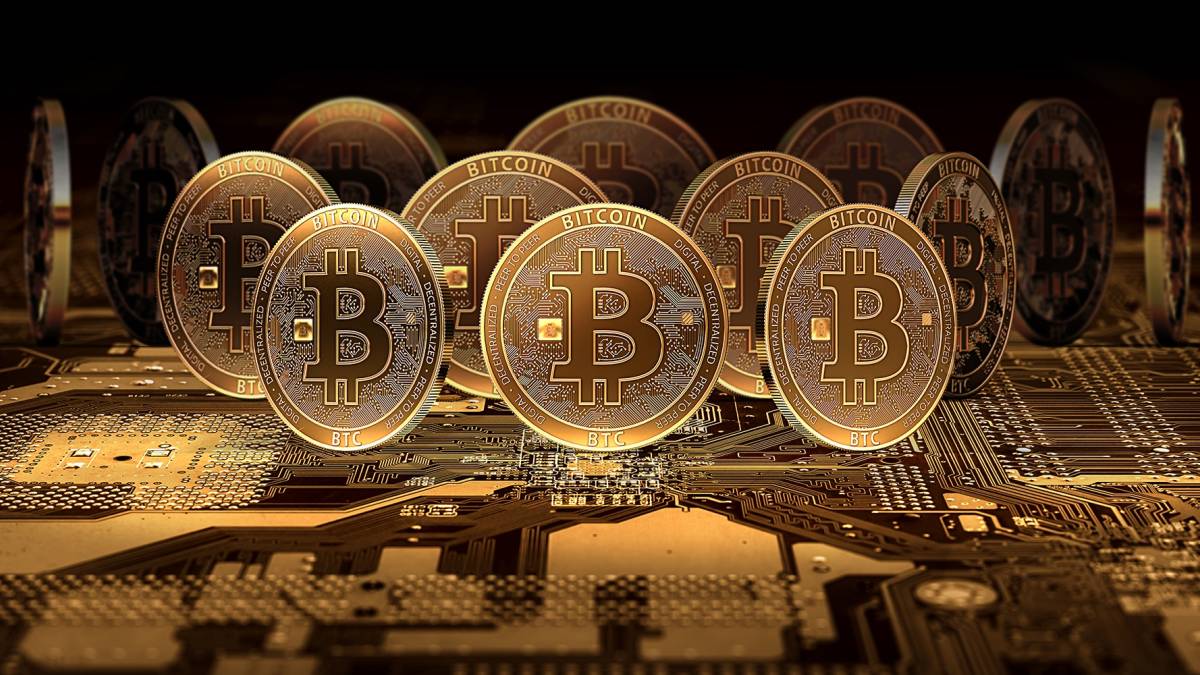
Introduction: A Radical Reimagining of Money
In an age defined by technological upheaval, few innovations have sparked as much fascination and fierce debate as Bitcoin. Born from the ashes of the 2008 global financial crisis, Bitcoin offered something audacious: a vision of money free from the grip of governments and banks. More than a decade later, this decentralized digital currency has become both an investment phenomenon and a symbol of financial rebellion. But what exactly is Bitcoin, and why does it command such devotion—and suspicion—in equal measure?
The Genesis of Bitcoin: A Response to Crisis
In 2009, an enigmatic figure—or perhaps a collective—known as Satoshi Nakamoto unveiled Bitcoin to the world. Nakamoto’s white paper described a peer-to-peer electronic cash system that would bypass traditional intermediaries. By leveraging blockchain technology—a distributed, immutable ledger—Bitcoin introduced a way to record transactions transparently and securely without the need for a central authority.
This innovation was a direct challenge to the conventional monetary system. After all, if money could be transacted trustlessly between individuals, what role would banks, regulators, and governments play in the future of finance?
How Bitcoin Works: Technology Made Tangible
To the layperson, Bitcoin might appear shrouded in cryptic jargon and complex code. Yet its fundamental mechanics are surprisingly elegant.
-
Blockchain Backbone: Bitcoin transactions are recorded on a blockchain, a chain of blocks containing transaction data. This ledger is public, verifiable, and resistant to tampering.
-
Mining and Consensus: New transactions are grouped into blocks. Miners—individuals with powerful computers—solve intricate mathematical puzzles to validate these blocks. This process, known as proof-of-work, secures the network and mints new Bitcoins as rewards.
-
Wallets and Keys: To hold and transfer Bitcoin, users rely on digital wallets. Each wallet contains private keys (which must be kept secret) and public keys (which serve as addresses for receiving Bitcoin).
This decentralized architecture means that no single point of failure exists—a stark contrast to centralized financial institutions.
Bitcoin’s Unique Value Proposition: Scarcity and Autonomy
Bitcoin’s allure stems partly from its built-in scarcity. Unlike fiat currencies, which central banks can print at will, Bitcoin’s supply is capped at 21 million coins. This finite supply underpins its comparison to gold—a scarce, universally accepted store of value.
But scarcity alone does not account for Bitcoin’s fervent following. For many, Bitcoin embodies a philosophy of self-sovereignty. It offers a hedge against inflation, a shield against political instability, and a tool for financial inclusion in regions where traditional banking infrastructure is weak or corrupt.
A Volatile Yet Magnetic Investment
Bitcoin’s price history is a testament to its unpredictable nature. Early adopters who paid ten thousand Bitcoins for two pizzas in 2010 unwittingly spent what would now be worth hundreds of millions of dollars. Since then, dramatic price swings have become routine, with Bitcoin’s value soaring to unprecedented heights before plunging in spectacular corrections.
Yet, this volatility has not deterred investors. Hedge funds, corporations, and even nation-states are adding Bitcoin to their balance sheets. High-profile endorsements from the likes of Elon Musk and Jack Dorsey have further cemented its place in mainstream discourse.
The Road to Legitimacy: Milestones in Adoption
Once dismissed as a curiosity or a tool for illicit trade, Bitcoin has gradually stepped into the mainstream spotlight. Several key developments mark this transition:
-
Corporate Buy-In: Companies such as Tesla, MicroStrategy, and Block have invested heavily in Bitcoin, signaling institutional confidence.
-
Payment Integration: Payment giants like PayPal and Visa now enable Bitcoin transactions, making it easier for consumers to spend their digital coins.
-
National Experiments: El Salvador made global headlines by adopting Bitcoin as legal tender—a bold experiment that other countries are watching closely.
These milestones reveal a broader truth: Bitcoin is evolving from fringe asset to legitimate part of the financial ecosystem.
Challenges and Criticisms: A Work in Progress
Bitcoin’s meteoric rise has not come without scrutiny. Critics point to several pressing concerns:
-
Energy Consumption: Bitcoin mining consumes more electricity than some entire countries. This environmental toll has prompted calls for greener alternatives or a pivot to renewable energy sources.
-
Regulatory Uncertainty: Governments worldwide grapple with how to regulate Bitcoin. While some welcome it as innovation, others view it as a threat to monetary sovereignty.
-
Scalability: Bitcoin’s network can handle only a limited number of transactions per second, raising questions about its feasibility as a daily payment system. Solutions like the Lightning Network aim to address this by enabling faster, low-cost transactions off-chain.
Bitcoin’s Role in the Broader Crypto Ecosystem
Bitcoin may be the pioneer, but it is not alone. Its creation sparked a revolution that has given rise to thousands of cryptocurrencies, each experimenting with different features and use cases. From Ethereum’s smart contracts to privacy-focused coins like Monero, the crypto landscape continues to evolve at breakneck speed.
Yet, Bitcoin retains its unique status as the first and most valuable cryptocurrency—a benchmark by which all others are measured.
The Future of Bitcoin: Speculation and Possibility
What lies ahead for Bitcoin? Opinions vary dramatically. Some envision it supplanting gold entirely as the premier store of value. Others see it coexisting with fiat currencies as a parallel financial system. Skeptics predict its eventual collapse, citing regulatory clampdowns or technological obsolescence.
What is certain, however, is that Bitcoin has changed the conversation around money forever. It has forced policymakers, economists, and everyday people to reconsider the meaning of trust, value, and financial freedom in a digital age.
Conclusion: More Than Just a Coin
Bitcoin’s true legacy may not be its price or market capitalization, but the radical questions it asks about who controls money and how trust can be built without intermediaries. Whether it ultimately transforms the global economy or settles into a niche role, Bitcoin has already proven that even the oldest institutions are not immune to digital disruption.
In the final analysis, Bitcoin is not merely a technological marvel or an investment vehicle. It is a mirror reflecting our collective hopes, fears, and relentless drive to reshape the world around us—one block at a time.
