

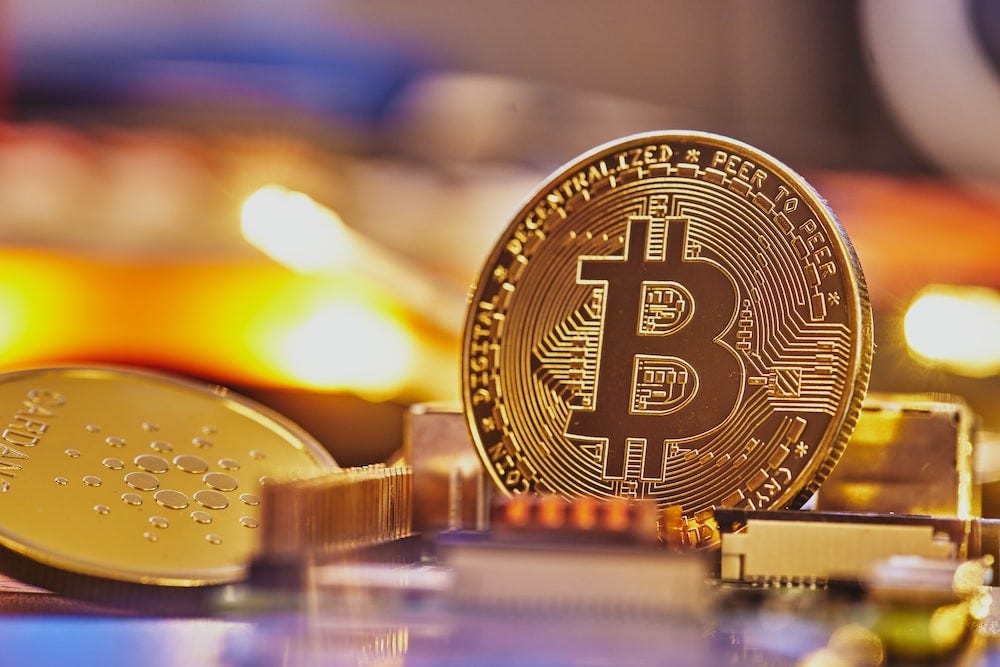
Introduction: The Digital Asset Revolution
In the not-so-distant past, the word crypto might have conjured images of secret codes or clandestine spy games. Today, it signifies one of the most groundbreaking shifts in the world of finance and technology. Cryptocurrency, often simply called crypto, has matured from an obscure internet experiment into a trillion-dollar ecosystem that challenges traditional notions of money, trust, and ownership. As society marches deeper into the digital age, crypto sits firmly at the crossroads of innovation, risk, and unprecedented opportunity.
Defining Crypto: More Than Just Bitcoin
To the uninitiated, crypto often begins and ends with Bitcoin. Yet, while Bitcoin remains the original and most valuable cryptocurrency, the universe of crypto extends far beyond a single digital coin. At its core, crypto encompasses a vast array of digital assets secured by cryptography and powered by blockchain technology—a decentralized ledger that records transactions immutably and transparently.
Key Elements That Make Crypto Unique
-
Decentralization
Unlike traditional currencies controlled by governments and central banks, cryptocurrencies are maintained by networks of computers spread globally. This decentralization minimizes censorship and centralized manipulation. -
Blockchain Technology
The backbone of crypto is the blockchain—a chain of blocks containing data, verified by consensus mechanisms. This innovation ensures that every transaction is transparent and tamper-proof. -
Smart Contracts
Introduced by Ethereum, smart contracts are self-executing pieces of code that automatically carry out agreements when conditions are met. They have unlocked an entire world of decentralized applications (dApps).
From Bitcoin to Altcoins: The Rise of Diverse Digital Assets
Bitcoin paved the way, but its success gave birth to thousands of altcoins—alternative cryptocurrencies that attempt to solve different problems or improve upon Bitcoin’s limitations.
Some notable categories include:
-
Ethereum and Smart Contract Platforms
Ethereum introduced programmable money through smart contracts, enabling decentralized finance (DeFi), non-fungible tokens (NFTs), and countless dApps. -
Stablecoins
Assets like Tether (USDT) and USD Coin (USDC) are pegged to fiat currencies, offering price stability in an otherwise volatile market. -
Privacy Coins
Coins like Monero and Zcash prioritize user anonymity, addressing concerns about blockchain’s transparent nature. -
Utility Tokens
These tokens grant access to specific platforms or services, fueling ecosystems from gaming to supply chain management.
DeFi: Reimagining Traditional Finance
Among crypto’s boldest experiments is decentralized finance, or DeFi—a fast-growing sector that replicates traditional financial services using blockchain technology and smart contracts. DeFi platforms enable users to lend, borrow, trade, and earn interest without relying on traditional banks.
Key features of DeFi include:
-
Permissionless Access
Anyone with an internet connection and a crypto wallet can participate. -
Liquidity Pools
Users provide liquidity to decentralized exchanges (DEXs) and earn fees, fostering community-driven market-making. -
Yield Farming and Staking
Innovative mechanisms allow users to maximize returns, though often with heightened risk.
NFTs: Digital Ownership Redefined
Crypto’s reach extends far beyond finance. Non-fungible tokens (NFTs) have revolutionized the concept of digital ownership, transforming art, music, and even virtual real estate.
Artists and creators can tokenize their work, selling directly to global audiences while retaining royalties through smart contracts. Digital collectibles, once mocked as speculative novelties, now represent a legitimate new market for intellectual property.
Risks and Volatility: A Double-Edged Sword
Crypto’s disruptive nature comes with inherent risks. Prices swing wildly, creating fortunes overnight while wiping out wealth just as quickly. Hacks, scams, and poorly designed protocols have cost investors billions. Regulatory uncertainty also looms large, with governments grappling to balance innovation with consumer protection.
Investors must navigate this landscape with caution, armed with due diligence and a tolerance for high-risk speculation.
Regulation: A Global Tug of War
Crypto’s borderless nature makes it both alluring and problematic for regulators. Some countries, like Switzerland and Singapore, have embraced crypto-friendly frameworks, fostering thriving innovation hubs. Others, like China, have outright banned certain crypto activities, citing financial stability and capital control concerns.
In the United States and Europe, policymakers continue to debate how to classify, tax, and supervise crypto assets. Striking the right balance will determine how the industry evolves—too heavy-handed, and innovation may flee to more hospitable jurisdictions; too lax, and consumers could suffer the consequences of unchecked speculation.
Environmental Concerns: Mining and Sustainability
One frequent criticism of crypto, especially Bitcoin, is its energy consumption. Proof-of-work (PoW) mining demands vast computing power, sparking debates about sustainability in a warming world. Proponents argue that mining incentivizes renewable energy use and grid efficiency. Others advocate for alternative consensus mechanisms like proof-of-stake (PoS), which drastically reduces energy requirements.
Ethereum’s transition to PoS with Ethereum 2.0 marks a significant step toward a greener crypto future.
Opportunities Ahead: The Next Frontier
Despite growing pains and legitimate concerns, the crypto ecosystem continues to innovate at breakneck speed. Some of the most promising developments include:
-
Central Bank Digital Currencies (CBDCs)
Governments worldwide are exploring digital versions of national currencies, borrowing lessons from crypto to modernize money. -
Web3 and the Metaverse
Crypto provides the financial rails for the emerging Web3 economy, where users own their data, assets, and digital identities. Virtual worlds like Decentraland and The Sandbox blend gaming, NFTs, and decentralized governance. -
Tokenization of Real-World Assets
Real estate, stocks, and commodities can be tokenized and traded on blockchain networks, unlocking liquidity in traditionally illiquid markets.
Conclusion: Crypto’s Unfolding Story
From a cypherpunk dream to a global movement, crypto has matured into far more than digital money—it is a reimagination of finance, ownership, and trust in a decentralized age. While the road ahead is rife with challenges—technical, regulatory, and ethical—its transformative potential remains undeniable.
To dismiss crypto as a passing fad is to underestimate its ability to inspire new models of value exchange and empower communities in ways unimaginable just a decade ago. For the curious, the cautious, and the bold, crypto represents a frontier that, like any frontier before it, rewards those willing to explore, adapt, and innovate. In the grand narrative of technology, crypto is still in its opening chapters—and its ending has yet to be written.
