

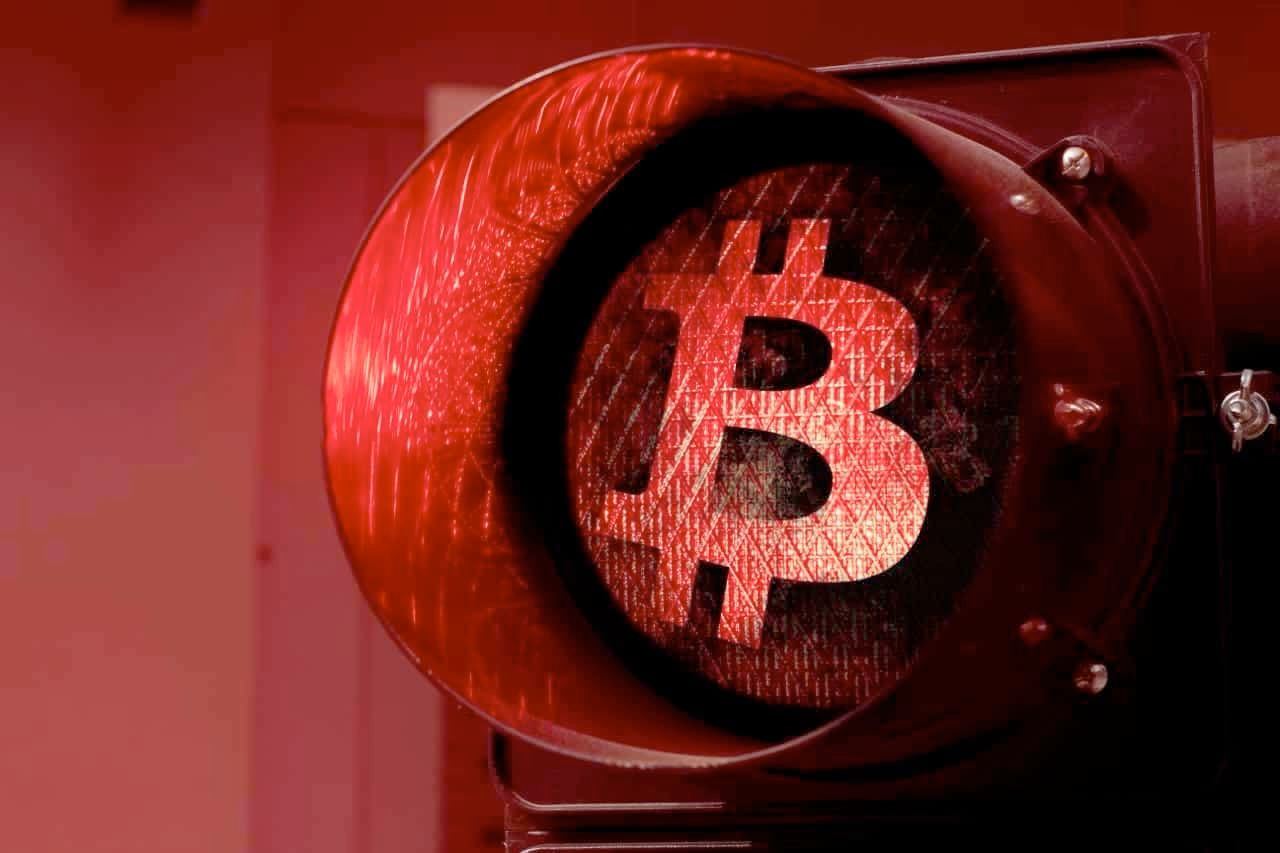
Introduction: A Radical Shift in How We Perceive Money
Over the last fifteen years, few innovations have sparked as much intrigue, debate, and disruption as Bitcoin. Born from the chaos of the 2008 global financial crisis, Bitcoin emerged not merely as a digital currency but as a daring philosophical challenge to how money is created, controlled, and valued. Today, it sits at the intersection of technology, economics, and geopolitics—a modern phenomenon that demands attention, scrutiny, and perhaps cautious respect.
Genesis of Bitcoin: The White Paper That Shook the World
In October 2008, an anonymous entity under the pseudonym Satoshi Nakamoto released a nine-page white paper titled Bitcoin: A Peer-to-Peer Electronic Cash System. This succinct manifesto proposed a digital currency independent of banks and governments—a peer-to-peer network that would allow direct transactions, free from the meddling of intermediaries and the flaws of centralized monetary policy.
Bitcoin’s creation was no accident; it was a direct response to a world reeling from reckless banking practices and unchecked money printing. At its core, Bitcoin promised to restore monetary sovereignty to the individual—one cryptographic key at a time.
How Bitcoin Works: The Engine Behind the Code
To grasp Bitcoin’s true brilliance, one must understand its technological foundation. Bitcoin is powered by blockchain—a decentralized, immutable ledger spread across thousands of nodes worldwide. Each node verifies and stores a copy of every transaction ever made, creating a system virtually impervious to fraud or censorship.
Key Technical Features
-
Proof of Work (PoW)
Miners solve intricate mathematical problems to validate transactions and secure the network, a process that demands computational power but fortifies the integrity of the blockchain. -
Scarcity and Halving
Unlike fiat currencies that can be printed infinitely, Bitcoin’s supply is capped at 21 million coins. Every four years, a process called halving reduces the reward for mining new blocks, ensuring a predictable and decreasing supply schedule. -
Pseudonymity
Bitcoin transactions are transparent yet pseudonymous—wallet addresses, not personal identities, appear on the blockchain, providing a delicate balance between traceability and privacy.
Bitcoin vs Traditional Money: A Clash of Eras
Central banks wield enormous power over fiat currencies—interest rates, inflation targets, and quantitative easing can erode a currency’s value overnight. Bitcoin stands as a countermeasure to this system. With its fixed supply and decentralized governance, it resembles digital gold—a hedge against inflation and fiscal irresponsibility.
In countries where hyperinflation destroys savings overnight, Bitcoin has become a lifeline. Citizens in Argentina, Nigeria, and Lebanon increasingly turn to Bitcoin to preserve purchasing power and transact beyond the reach of failing financial institutions.
The Volatility Paradox: Opportunity or Obstacle?
Skeptics often point to Bitcoin’s extreme price swings as evidence of its unsuitability as a currency. Indeed, it is not uncommon for Bitcoin’s price to soar or plummet by double digits within days. But for believers, this volatility represents an adolescent market discovering its value in real time.
While critics see chaos, opportunistic traders see profit. Meanwhile, a growing community of long-term holders—the so-called “HODLers”—treat Bitcoin not as a quick trade but as a generational store of value. They endure the storms, convinced that the tide of history will favor digital scarcity over fiat abundance.
Institutional Embrace: From Rejection to Reluctant Adoption
Bitcoin’s journey from an online curiosity to a mainstream financial instrument has been remarkable. Early dismissals from economists and bankers have given way to cautious integration. Blue-chip companies like MicroStrategy and Tesla have allocated portions of their treasuries to Bitcoin. Major financial players, from Fidelity to BlackRock, have rolled out Bitcoin products to cater to clients hungry for exposure to digital assets.
This institutional involvement has lent Bitcoin an air of legitimacy once unthinkable. ETFs, futures contracts, and custody solutions now surround the asset, bridging the gap between traditional finance and the digital frontier.
Environmental Critique: A Thorny Dilemma
No discussion of Bitcoin is complete without addressing its environmental impact. Bitcoin’s energy-hungry proof-of-work system draws fierce criticism, with detractors labeling it an ecological blight in an era of climate urgency. While it’s true that Bitcoin’s network consumes more energy than some countries, the story is nuanced.
-
Use of Renewable Energy
A significant portion of Bitcoin mining taps into renewable energy or surplus power that would otherwise go wasted. -
Innovation Incentives
The profitability of mining incentivizes the search for the cheapest energy sources, often driving investments in underutilized renewable infrastructure. -
Ongoing Solutions
Emerging technologies, such as more efficient mining hardware and the exploration of alternative consensus mechanisms, could further reduce Bitcoin’s carbon footprint over time.
The Regulatory Tightrope: Balancing Innovation and Oversight
Bitcoin’s decentralized nature poses a unique challenge for regulators. Some countries embrace it as an innovation hub, encouraging blockchain startups and digital asset exchanges. Others ban or restrict it, citing concerns over money laundering, tax evasion, and capital flight.
In the United States, the debate is particularly intense. Lawmakers grapple with how to integrate Bitcoin into a regulatory framework without stifling its transformative potential. As governments find their footing, the clarity—or lack thereof—will profoundly shape Bitcoin’s trajectory in the years ahead.
The Road Ahead: Is Bitcoin the Future or a Fad?
Bitcoin is no longer an underground movement; it’s a global experiment unfolding in plain sight. Will it replace traditional money? Probably not entirely. But that misses the point. Bitcoin’s genius lies in being an alternative—a digital sanctuary when trust in conventional systems erodes.
Emerging technologies like the Lightning Network promise to make Bitcoin transactions faster and cheaper, opening doors to microtransactions and everyday payments. Meanwhile, central banks themselves are experimenting with digital currencies, borrowing heavily from Bitcoin’s blueprint.
Conclusion: Bitcoin’s Enduring Legacy
Whether one views Bitcoin as an economic revolution or a speculative mania, its impact is undeniable. It has forced policymakers, bankers, and citizens alike to reconsider the nature of money and trust. It has minted millionaires, sparked fierce debates, and inspired countless innovations across industries.
In the end, Bitcoin’s true legacy may not be the coins themselves but the radical idea they represent: that money, once the guarded domain of states and institutions, can be reclaimed by code, consensus, and a collective belief in the power of decentralization. And in that sense, Bitcoin is not merely a currency—it is an idea whose time has come.
